Brass Engraving of Moradabad — Heritage and Global Identity
Introduction
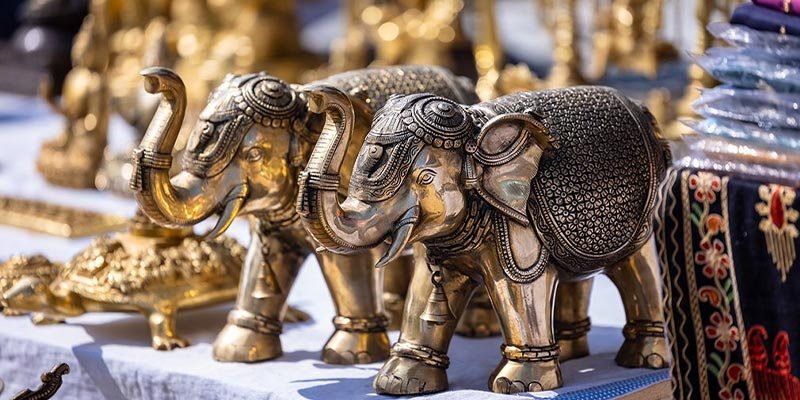
Moradabad, often called the “Brass City of India,” is renowned worldwide for its brassware industry. Among its artisans, Dilshad Hussain stands out as a Padma Shri awardee who has preserved and elevated the tradition of nakashi and marodi engraving. Brass engraving here is not just a craft — it is a cultural identity and an economic lifeline for thousands of families.
Craft Tradition
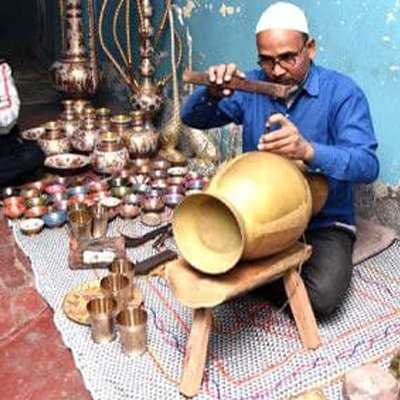
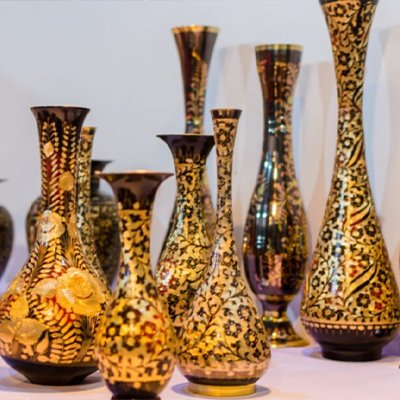
Brass engraving in Moradabad involves carving intricate designs into brass vessels, plates, and decorative items. Using hand tools, artisans create motifs ranging from floral patterns to royal processions. The process requires patience, precision, and artistic vision.
High-value pieces can take months or even years to complete, reflecting the dedication of artisans who carry forward centuries-old techniques.
Cultural Significance
Brassware from Moradabad is used in homes, temples, and cultural ceremonies. Its motifs often symbolize prosperity, heritage, and artistry. The craft also represents sustainability, as brass items are durable, reusable, and eco-friendly compared to mass-produced alternatives.
The recognition of artisans like Dilshad Hussain through awards and global showcases underscores the cultural importance of brass engraving.
Global Recognition
Moradabad brassware has reached international audiences through exhibitions, trade shows, and diplomatic gifting. At the G20 Summit (Sept 2023), Dilshad Hussain’s engraved brass artefact was gifted by Prime Minister Modi to German Chancellor Olaf Scholz, symbolizing India’s heritage on a global stage.
Such moments highlight how traditional crafts can serve as cultural ambassadors, strengthening India’s identity worldwide.
Community and Scale
The brass industry in Moradabad supports over 25,000 small and household units, employing thousands of artisans. Families work together in workshops, passing down skills across generations. Training programs and initiatives like Skill India ensure that younger artisans learn engraving techniques and sustain the craft.
This collective effort makes brass engraving both a livelihood and a source of pride for the community.
Challenges and Revival
Despite its prestige, the brass industry faces challenges:
- Rising costs of brass.
- Competition from cheaper materials like aluminum and steel.
- Declining traditional demand.
Yet recognition through awards, government programs, and international showcases has revived interest. Artisans are now experimenting with modern motifs, utility items, and export-oriented designs to adapt to changing markets.
Future of Brass Engraving
The future of Moradabad brassware lies in balancing tradition with innovation. With continued support from government initiatives, NGOs, and buyers who value authenticity, brass engraving can remain a vibrant part of India’s cultural economy.
Digital platforms and global exhibitions are opening new markets, ensuring that artisans like Dilshad Hussain continue to inspire and sustain heritage.
Conclusion
Brass engraving in Moradabad is more than a craft — it is a heritage that sustains livelihoods, empowers communities, and represents India globally. From local workshops to international summits, this tradition continues to shine.
Call to Action: Explore authentic brassware products from Moradabad on our Shop Page and help preserve this heritage.